Tuesday, December 3, 2013
Video Clip

Each Student is an Individual

Social Issues


Responsive Teaching
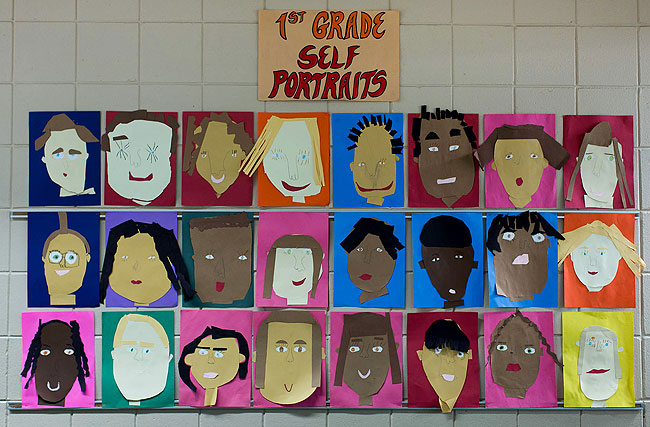
To meet the needs of a diverse population, teachers need to recognize and address the needs of all of their students. The best way to do this is to identify the strengths and weaknesses of each student. Highlight their strengths so they can gain confidence and recognize how to use those strengths. Weaknesses must also be recognized and acknowledged but only as a way to see where improvement is needed, not as a labeling tool. Education becomes equitable when the needs of all the students are being met. Allowing all the students to participate and share their views and beliefs will help to create a diverse climate in the classroom. It will teach them to recognize that others may have different opinions and beliefs and that is okay – not everyone is, or should be, the same. Recognizing cultural differences does not mean attaching labels. Two students could come from the same country, yet still have different family traditions, religious beliefs or just different life experiences that will make learning different for each student. Educational equity can only be achieved if each student is recognized as an individual.
Multicultural Education

Multicultural education is helping every student achieve their full potential. The goal of multicultural education is to create change - change in each student's life, change in the classroom and change in society.
Culture

Culture is a group of people that share a common background or belief. This can be religion, race or simply life experience.
Subscribe to:
Posts (Atom)